Vehicle Battery Maintenance: Testing, Cleaning, and When to Replace

Author
Carendar Team
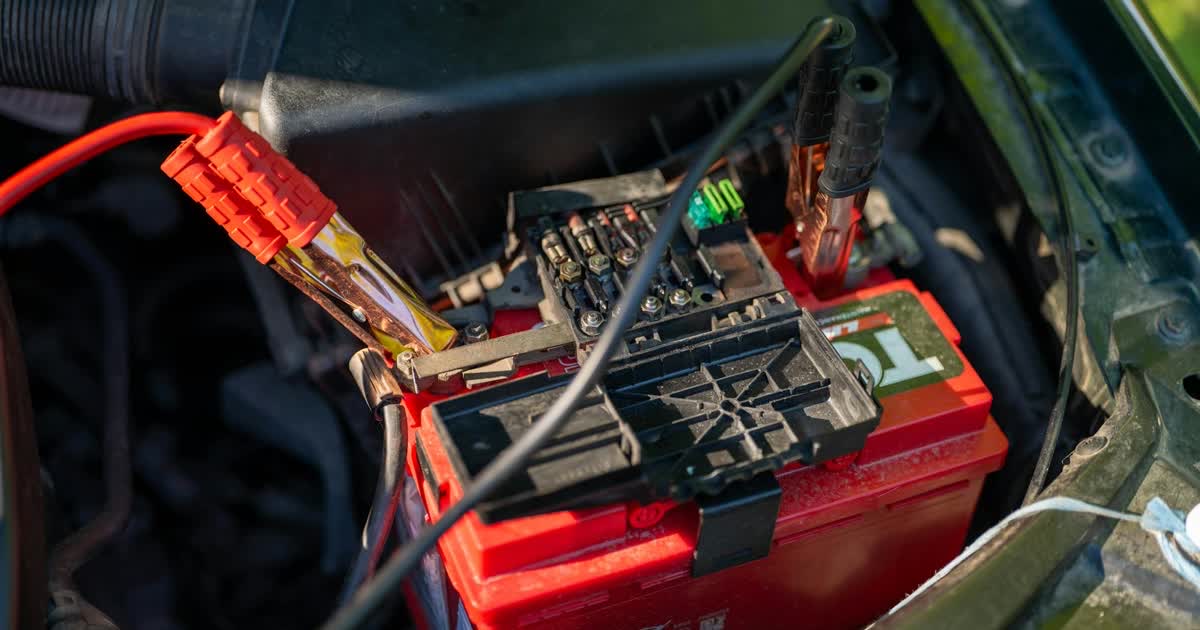
Vehicle battery maintenance is easy to overlook until the engine will not crank on a cold morning. A few minutes of inspection and cleaning can extend battery life and help you plan replacement before a no-start leaves you stranded.
Signs your battery may be failing
- Slow or labored cranking, especially in cold weather.
- Dim headlights at idle that brighten when you rev the engine.
- Corrosion (white or green buildup) on terminals or a swollen battery case.
- Battery age over 3–5 years (varies by climate and usage).
A simple maintenance routine
1) Visual inspection
- Check terminals are tight and free of corrosion.
- Look for cracks, leaks, or bulging on the case.
2) Clean terminals
- Disconnect negative first, then positive. Reconnect positive first.
- Use a wire brush or terminal cleaner; apply dielectric grease after.
Voltage reference (engine off)
| Reading | Typical meaning |
|---|---|
| 12.6 V+ | Fully charged (resting voltage). |
| 12.4 V | About 75% charged—monitor closely. |
| Below 12.0 V | Likely discharged—charge or test load capacity at a shop. |
A load test at a parts store or workshop gives a clearer picture than resting voltage alone. If your battery fails load testing, plan replacement rather than repeated jump-starts.
Step-by-step: monthly battery care routine
- Visually inspect case for swelling, cracks, or acid residue around terminals.
- Clean terminals with brush and baking soda solution; dry and apply dielectric grease lightly.
- Measure resting voltage after the vehicle has sat overnight.
- Log age from date code on label; plan replacement near year 4–5 in hot climates.
When to seek professional help
Use a shop for parasitic drain tests if the battery dies repeatedly, for AGM/EFB replacements on start-stop vehicles, or when BMS coding is required after swap on newer models.
If the vehicle sits for weeks, a maintainer on the 12V system beats occasional starts that sulfate the plates. After jump-starting, recharge fully with a charger when possible—alternator alone may not restore state of charge. Note whether your battery is AGM when replacing; swapping to flooded without checking tray venting can be unsafe in the same footprint.
Parasitic draw tests need a meter after doors latch fully—shops measure sleep current. Clean negative cable grounds at chassis, not only positive terminals. Some replacements require BMS registration—confirm procedure for your model. Heat accelerates AGM aging—shade parking when possible. Jump packs are convenience tools, not fixes for chronic drain. Log cold-crank voltage once each winter season. Maintainer chargers beat occasional starts for vehicles that sit weeks.
After deep discharge events, recharge with a smart charger before relying on alternator charging alone—sulfation risk rises. Note whether your vehicle has stop-start; AGM or EFB types are common and must be replaced with like technology.
If headlights dim at idle but brighten with rpm, test charging system and battery together—not only the battery in isolation.
Professional testing and replacement planning
Resting voltage tells you state of charge, not always state of health. Load testing at a parts store or shop compares cold cranking amps to the label rating and is worth logging each fall before winter. If your vehicle has start-stop, plan for AGM or EFB replacement with correct BMS registration where required. After a deep discharge or jump-start, follow with a smart charger session—alternator charging alone may not reverse sulfation. Photograph the date code on the label when you install a new battery so age is obvious at resale.
- Clean and tighten the negative ground strap at the chassis—not only the positive clamp.
- Use a maintainer when the vehicle sits more than two weeks to avoid sulfation.
- Match group size, terminal layout, and venting when upgrading from flooded to AGM in the same tray.
Compare cold-crank amp ratings on the new label to the old battery before you pay at the counter. Record ambient temperature when load-testing in winter; cold readings differ from summer baselines. If your vehicle uses a secondary auxiliary battery, label posts in your log so jumper cables are never reversed during DIY work. A slow overnight trickle after weeks of parking preserves plates better than a quick start every Sunday.