How to Track Your Vehicle's Maintenance Like a Pro

Author
Carendar Team
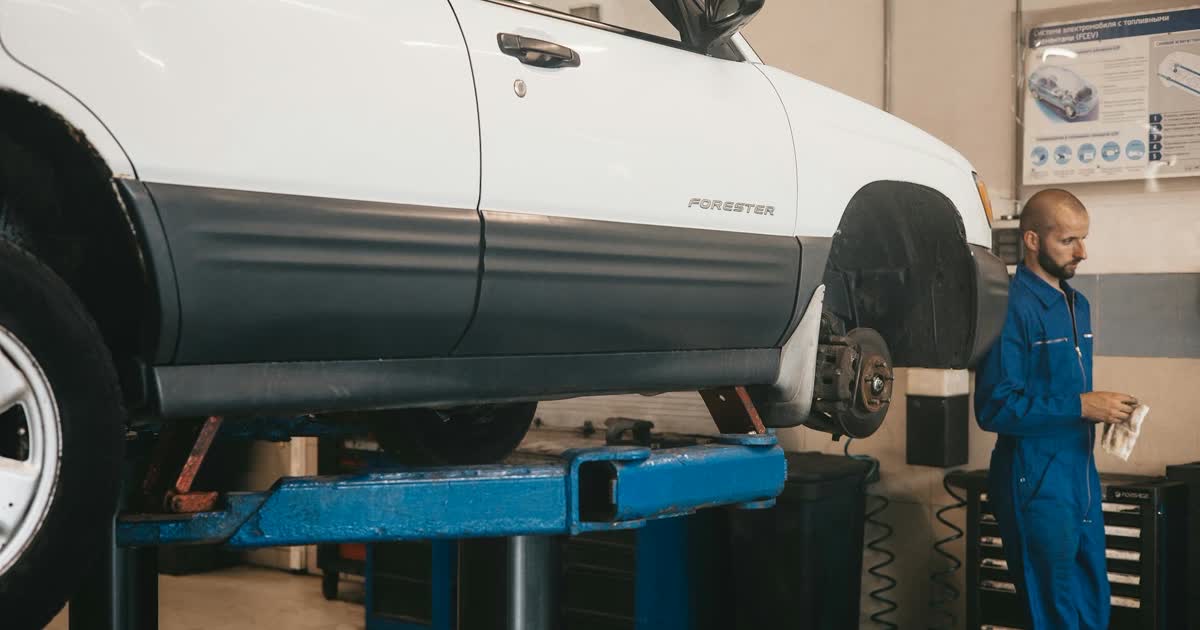
Keeping track of your vehicle's maintenance doesn't have to be complicated. With a simple system, you can stay consistent, spot issues early, and keep your vehicle reliable over time.
Why Proper Maintenance Tracking Matters
Regular maintenance is crucial for your vehicle's longevity and performance. Here's why tracking it properly makes a difference:
- Prevents costly repairs: Catching issues early saves money
- Maintains warranty: Proper records keep your warranty valid
- Improves resale value: Well-documented maintenance history increases car value
Essential Records to Keep
Not all maintenance records are created equal. Focus on tracking these key items:
Oil Changes
Track dates, mileage, and oil type used. This is the most critical maintenance item for engine health.
Tire Rotations
Document tire rotation patterns and dates to ensure even wear and maximum tire life.
Digital vs. Physical Records
While traditional paper logs have their place, digital tracking offers significant advantages for modern car owners:
| Feature | Digital | Physical |
|---|---|---|
| Accessibility | ✓ Always available | ⚠ Can be lost |
| Backup | ✓ Automatic cloud sync | ✗ Manual copying required |
| Reminders | ✓ Smart notifications | ✗ Manual tracking |
Creating a Maintenance Schedule
A well-structured maintenance schedule is your roadmap to keeping your vehicle in optimal condition. Here's how to create one:
Pro Tip: The 3-5-7 Rule
Check fluids every 3 months, rotate tires every 5,000 miles, and perform major service every 7,500 miles. This simple rule covers most basic maintenance needs.
Common Maintenance Tracking Mistakes
Avoid these common pitfalls that can undermine your maintenance tracking efforts:
- Inconsistent Recording: Skipping entries or recording incomplete information makes your records unreliable.
- Ignoring Manufacturer Guidelines: Your owner's manual contains specific maintenance intervals that should be followed.
- Poor Documentation: Always keep receipts, take photos, and record detailed notes about work performed.
Getting Started with Carendar
Carendar makes maintenance tracking simple and efficient. Download the app today to start tracking your vehicle's maintenance history and never miss an important service again.
Step-by-step: building your first maintenance log
- Photograph the odometer and export any existing service invoices into one folder.
- List upcoming items from the manual schedule with both date and mileage due.
- Set reminders 500 km or two weeks before each major service.
- After each service, log parts, fluid specs, and who performed the work.
When to seek professional help organizing history
If you bought a vehicle with no records, pay for a multi-point inspection and ask the shop to stamp a fresh schedule—you are buying a baseline, not guessing previous work.
FAQ
Tag entries with performer: DIY, dealer, or independent shop for warranty clarity. When multiple drivers share a vehicle, note who fueled to catch consumption changes. Quarterly review catches duplicate mileage entries from rushed stops. Back up photos to cloud so a lost phone does not erase history. Export PDF yearly for resale folders. Note tire size changes—they affect speedometer and TPMS. Separate warranty work from discretionary upgrades in tags.
Link maintenance entries to photos of odometer and VIN plate once a year so mileage fraud concerns do not arise at resale. When upgrading wheels or tires, log size and load index changes next to rotation entries.
When selling, export your maintenance PDF before factory app access ends—buyers trust third-party logs with dates and mileage.
Exporting records when you sell or switch apps
Your maintenance history is an asset at resale. Before handing keys to a buyer, export PDF or CSV from your tracker and redact personal phone numbers if needed. Include oil, filters, timing service, tires, and major repairs—buyers discount unknown history heavily. If you migrate apps, import CSV where supported and manually backfill gaps from glovebox invoices photographed in bulk. Keep VIN and license plate out of public listings; share detailed logs only with serious buyers.
- Tag each entry with mileage and date—sorting by one without the other misleads future readers.
- Attach receipt photos in the same entry as the service description.
- Set reminders from manufacturer severe-duty tables if you tow or idle daily.
Back up your log quarterly to storage separate from the app vendor so account closures do not erase years of proof. When lending the vehicle, ask borrowers to note new noises in a shared entry the same day. For fleet households, assign each driver a color tag so entries stay searchable. Review overdue rows every Sunday morning before your commute week begins.
Conclusion
Proper maintenance tracking is an investment in your vehicle's future. By staying organized and proactive, you'll save money, ensure safety, and maximize your vehicle's value. Remember, consistency is key – make maintenance tracking a habit, not a chore.