EV and Hybrid Maintenance Basics: What Still Needs Service
Author
Carendar Team
EV and hybrid maintenance looks different from a traditional combustion vehicle—but it is not zero maintenance. Tires, brakes, coolant, filters, and battery health still need attention on a predictable schedule.
Maintenance that still applies
Tires and brakes
- EVs are heavier—rotate tires on schedule and monitor tread.
- Regenerative braking reduces pad wear but fluid still ages—follow brake fluid intervals.
Fluids and filters
- Battery coolant and thermal loops—manufacturer intervals are critical.
- Cabin air filter and wiper blades—same as any vehicle.
Battery health basics
- Avoid long-term storage at 100% charge; many OEMs recommend ~50% for storage.
- Use scheduled health checks where your manual or app recommends them.
Why EV and hybrid maintenance still needs a schedule
Electric traction reduces some wear items but increases others: heavier curb weight stresses tires and suspension, regenerative braking changes how friction material ages, and battery thermal systems depend on coolant service intervals you cannot skip. Treat the maintenance schedule in your manual as the baseline, then adjust for climate and mileage.
Step-by-step: quarterly EV/hybrid check routine
- Check tire pressure and tread—EV torque can accelerate edge wear if pressure is low.
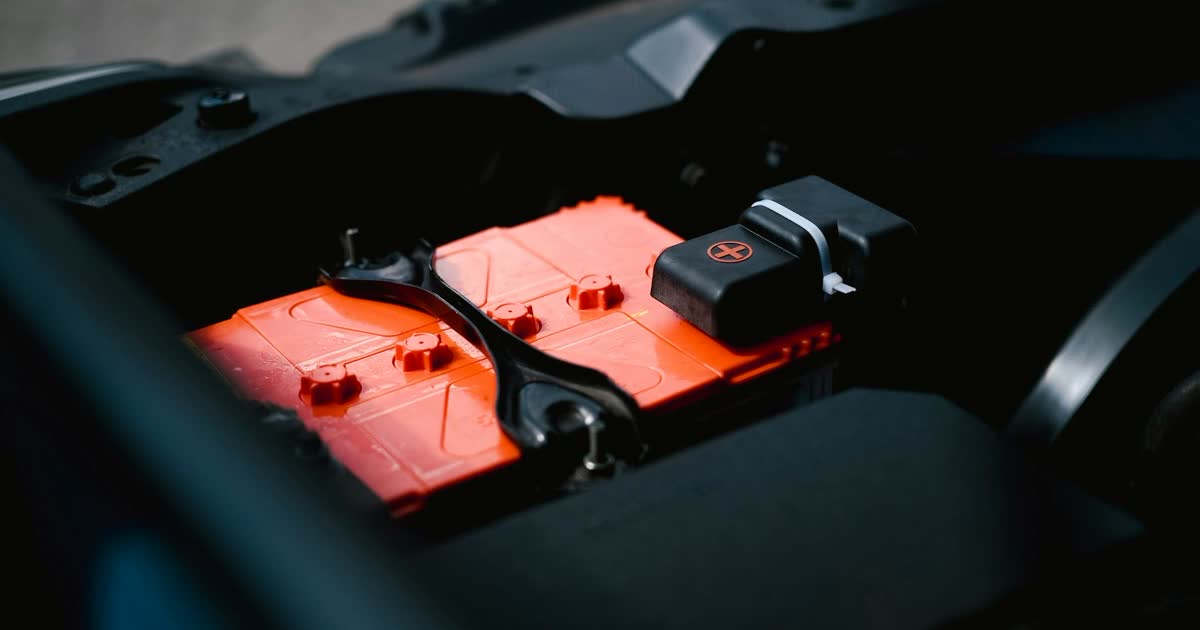
- Inspect 12V auxiliary battery health—many no-start events are 12V, not traction pack.
- Review brake fluid age and pad thickness—even with regen, fluid absorbs moisture.
- Log software updates, coolant service, and tire rotations in one maintenance app.
When to seek professional help
Use a qualified EV/hybrid workshop for high-voltage battery warnings, coolant loops that involve the battery pack, inverter or charging faults, and any service requiring orange-cable safety procedures. DIY work should stay on 12V, tires, cabin filter, and washer fluid unless you are trained for HV systems.
FAQ
Software updates from the manufacturer can improve charging curves and battery management—install them like any other maintenance item. Keep charging equipment inspected for frayed cables and ground-fault protection, especially outdoor installs. For plug-in hybrids, track both engine oil and electric coolant intervals separately in your log because they follow different clocks. Winter range drops are normal; pre-conditioning while plugged in preserves cabin heat without draining the traction pack as fast on short trips.
High-voltage battery warranties often require documented inspections—read what your manual counts as proof. DC fast charging heats packs more than home AC charging; noting session type helps explain gradual range changes. Regenerative braking reduces pad wear but brake fluid still ages and calipers can stick when friction brakes are rarely used. Tire pressure should be checked cold; EV weight makes under-inflation show up as shoulder wear quickly. Hybrid combustion engines still need oil, filters, and spark plugs on their own schedule—do not merge them mentally with electric service items. Cabin and battery cooling loops may use separate coolant specs—never top the wrong reservoir. Software updates can improve charging and thermal management; treat them like maintenance events. Before long winter trips, pre-condition while plugged in to preserve cabin heat without draining the traction pack on short errands.
Track twelve-volt battery health separately from traction pack state of charge—a weak twelve-volt system causes no-start events that feel like a dead main battery. When parking outdoors in heat, consider partial shade to reduce cabin soak temperatures that stress HVAC and cooling loops. Log charging station types and any error messages from onboard apps; patterns help service appointments.
Seasonal tire swaps are the natural moment to inspect twelve-volt terminals and cabin filters on EVs—drivers often forget because there is no oil change reminder.
Long-term EV and hybrid ownership habits
Electric and hybrid vehicles reward consistent habits more than occasional deep inspections. Keep tire pressures at placard values because extra rolling resistance shows up directly in range and fuel economy. Rotate tires on the same schedule as combustion vehicles—uneven wear still affects stability and efficiency. For plug-in hybrids, run the engine periodically per manufacturer guidance so fuel does not sit stale and emissions systems stay exercised.
- Log twelve-volt battery tests yearly; weak aux batteries strand EVs too.
- Use OEM or approved cabin and brake fluids—mixed chemistry causes warranty disputes.
- Store charging adapter and tire repair kit where you can reach them without unloading cargo.