Engine and Cabin Air Filter Guide: When to Replace and Why It Matters

Author
Carendar Team
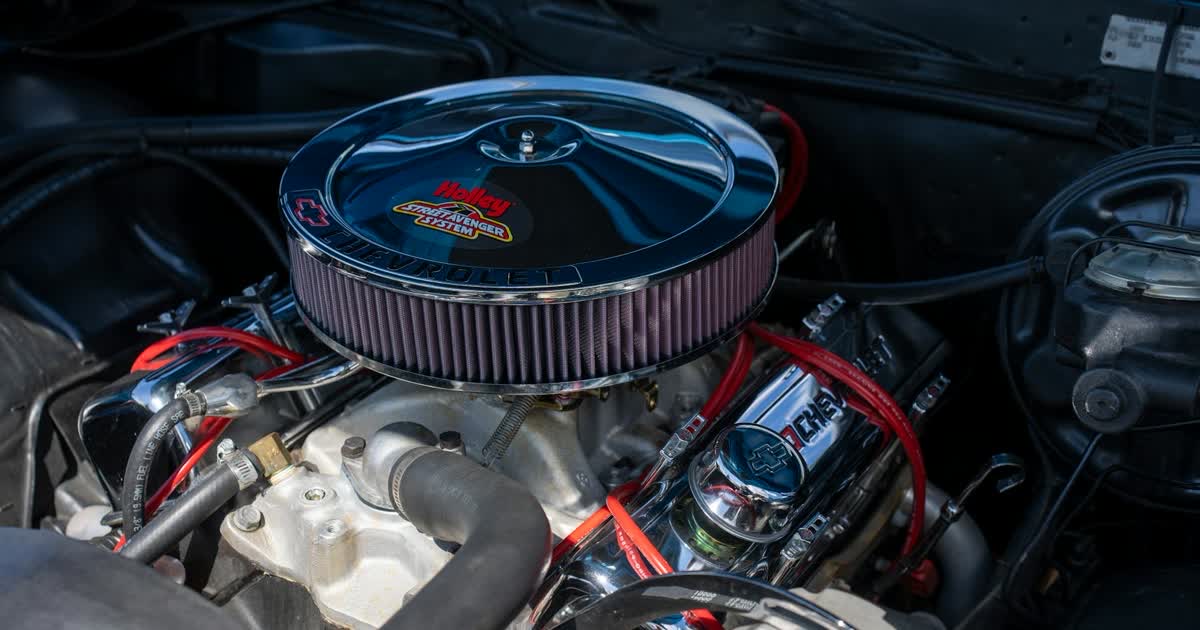
Engine and cabin air filter replacement is one of the most accessible DIY maintenance jobs—and one of the easiest to forget. Clogged filters reduce airflow, hurt fuel economy, and let dust into the cabin. This guide covers when to replace each filter and how to do it safely.
When to replace the engine air filter
- Follow the interval in your owner’s manual—often 15,000–30,000 km (10,000–20,000 miles) or annually in dusty conditions.
- Visual check: hold the filter up to light—if you cannot see light through most of the element, replace it.
- Symptoms of a clogged filter: reduced acceleration, higher fuel use, or a check-engine light (on some vehicles).
When to replace the cabin air filter
- Typical interval: 15,000–25,000 km (10,000–15,000 miles) or once a year—sooner if you drive on gravel or in heavy pollen areas.
- Signs: weak airflow from vents, musty smell when A/C or heat runs, or increased allergy symptoms in the cabin.
Replacement checklist
Engine air filter
- Locate the air box (usually a plastic housing near the engine).
- Note clip or screw positions before opening; replace with the same orientation.
- Do not run the engine with the air box open—debris can enter the intake.
Cabin air filter
- Check the manual or a repair guide for access (glove box removal is common).
- Note airflow arrow on the new filter—install in the same direction.
- Some filters are charcoal-activated for odor—match the type your vehicle expects.
Why clean air matters for engine life
A clogged engine air filter restricts airflow, forcing the engine to work harder and sometimes triggering rich fuel trims. Cabin filters protect HVAC and allergies but do not affect power—the engine filter does. Dusty roads or construction zones can shorten intervals far below the manual default.
Step-by-step: engine and cabin filter swap
- Engine: open housing clips, note orientation arrow, remove old element without dropping debris into intake.
- Vacuum housing lightly; seat new filter; latch all clips and confirm gasket seal.
- Cabin: often behind glove box—replace per manual interval or yearly in pollen seasons.
When to seek professional help
If the airbox is oil-soaked (possible turbo seal issue) or tools cannot reach a cabin filter slot, let a shop diagnose before forcing panels.
If you drive gravel roads, check the engine filter monthly by light through the pleats—replace when light is dim. Cabin charcoal filters lose odor control before they look dirty; yearly is a common baseline. Never run without the housing lid latched; unfiltered air bypasses the element entirely.
Gravel roads warrant monthly light-through-pleat checks. Cabin charcoal filters lose odor control before they look dirty—yearly is a common baseline. Never run with housing unlatched—unfiltered air bypasses the element. Oiled gauze filters need proper re-oil—excess fouls MAF sensors. Vacuum housing before installing new element. Performance filters alone rarely transform economy; clean flow supports consistent trims.
If check engine lean codes appear after filter service, verify housing seal and mass airflow sensor cleanliness—disturbing dust during service can set temporary codes that clear after gentle driving.
If fuel economy drops after filter change, verify the housing is fully closed and the mass airflow sensor boot is seated—common post-service oversights.
Air filter care in dusty and urban environments
Air filters clog faster than mileage intervals suggest when you drive gravel roads, construction zones, or pollen-heavy seasons. Hold a bright light behind the pleats after tapping out loose debris—if light barely passes, replace even if the interval is not due. After installation, confirm the housing latch clicks fully; a gap lets unfiltered air bypass the element and wear the mass airflow sensor. Log filter brand and part number so the next change is one tap in your app.
- Vacuum the airbox before inserting a new element to avoid sucking old grit past the seal.
- Oiled performance filters need re-oiling on schedule—dry patches let dust through.
- Pair filter changes with cabin filter service when pollen affects occupants.
Photograph the filter part number on the invoice and store it with the service entry for warranty disputes.