Coolant & Antifreeze: Mix Ratios, Types, and Common Mistakes

Author
Carendar Team
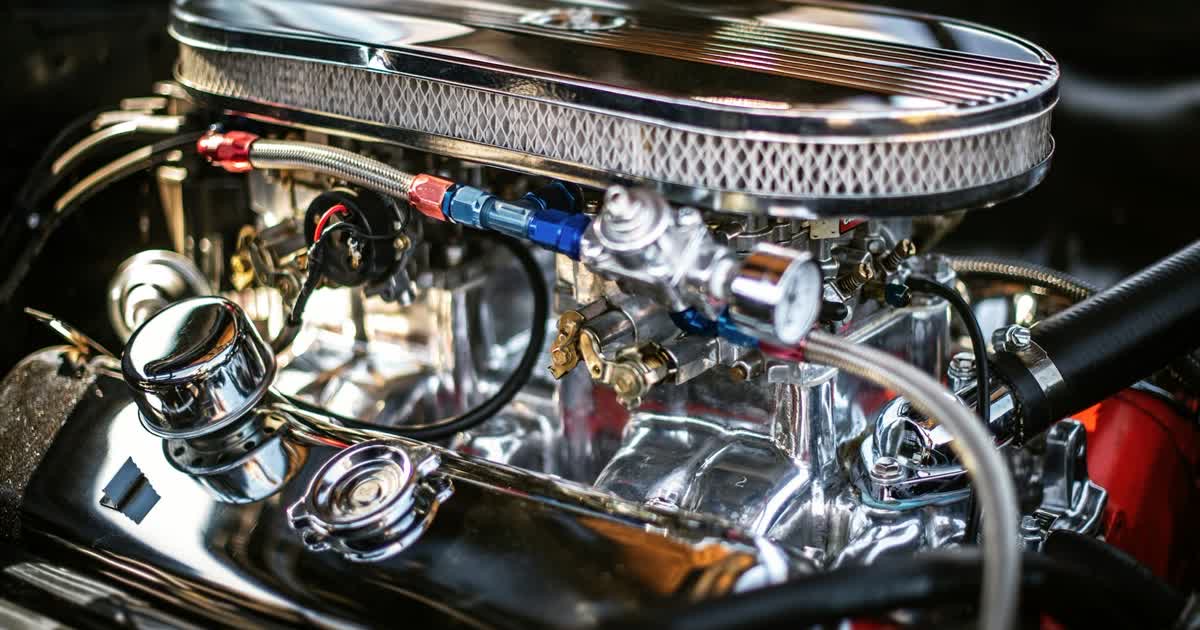
Coolant (antifreeze) isn’t just for winter. The right coolant type and mix ratio help with freeze protection, corrosion protection, and heat transfer. This guide gives you a safe, manual-first way to handle coolant maintenance.
Mix ratio: why 50/50 is common
Many coolants are designed for a 50/50 mix with water. It’s a practical balance between freeze protection and heat transfer. Your manual and product label should define the correct range for your vehicle.
| Mix | Typical freeze protection | Note |
|---|---|---|
| 50/50 | Around -37°C / -34°F (varies by product) | Common baseline in many labels and manuals. |
| 60/40 | Colder protection, but follow the allowed range | Some manufacturers warn against going above ~60%. |
Distilled water, premix, and topping up
- If you use concentrate, mix it with distilled/deionized water (avoid mineral deposits).
- If you’re topping up and don’t know the current mix, premix is often the safer short-term choice.
Step-by-step: safe coolant level check
- Check only when the engine is cold unless the manual specifies a warm procedure.
- Use the overflow/reservoir marks—never open a hot pressure cap.
- Top up with premix matching spec if you are unsure of the current chemistry.
- Schedule a full drain when fluid is rusty, oily, or past the interval in your manual.
When to seek professional help
Visit a shop for overheating, sweet smell in the cabin, repeated low level with no visible leak (possible head gasket), or when a flush requires air bleed procedures on complex cooling circuits (turbo, hybrid battery loops).
FAQ
Sources
- Motorcraft (Ford): ethylene glycol coolant mix chart (freeze protection + recommended range)
- Prestone: basic flush-and-fill guidance (general process overview)
Label the date and product name on a photo of your coolant reservoir after each top-up—colors lie across brands. If you use test strips, log the result next to mileage. Hybrid and turbo vehicles may have multiple coolant circuits; never assume one fill port serves everything. After any head-gasket repair, confirm which spec the shop used before you top up at home.
Slow level loss without puddles may be a pressure cap or hairline hose issue—pressure test when in doubt. Aluminum cooling systems punish chemistry mismatch with gel or flakes—flush rather than repeated incompatible top-ups. Record freeze protection with a refractometer reading in your maintenance log. Hybrid and turbo vehicles may have multiple coolant circuits—verify label before adding to a reservoir. After thermostat replacement, bleed per manual to avoid heater complaints and false overheat warnings. Distilled water with concentrate is correct; long-term tap water promotes mineral deposits. Photograph reservoir level and product name after each top-up. Sweet cabin odor with low level can indicate head gasket issues—seek diagnosis before long trips.
When replacing hoses, replace clamps and inspect radiator fins for debris that causes hot spots. After any overheat event, flush and replace coolant even if color looks acceptable—heat breaks down inhibitors. Compare reservoir marks at the same temperature each check, ideally cold mornings.
When topping up, use the same chemistry already in the system; if unknown, a measured premix is safer than guessing concentrate ratios at the roadside.
Cooling system checks between major services
Between full coolant exchanges, quick checks prevent roadside overheating. With a cold engine, verify the reservoir level sits between min and max marks—never open a hot pressure cap. Look under the vehicle for green, orange, pink, or blue stains that match your coolant chemistry; mixed colors may mean a prior owner used the wrong type. If the heater blows lukewarm at idle but hot at higher rpm, air in the circuit or a weak water pump may be suspect—log symptoms for your technician.
- Use the same coolant chemistry when topping up—if unknown, premixed universal approved for your make is safer than guessing concentrate ratios.
- Replace soft radiator hoses that feel swollen or oily near clamps before they burst on a hot day.
- Log thermostat replacement dates—stuck open causes poor cabin heat; stuck closed risks overheat.