Check Engine Light: Common Causes and What to Do First

Author
Carendar Team
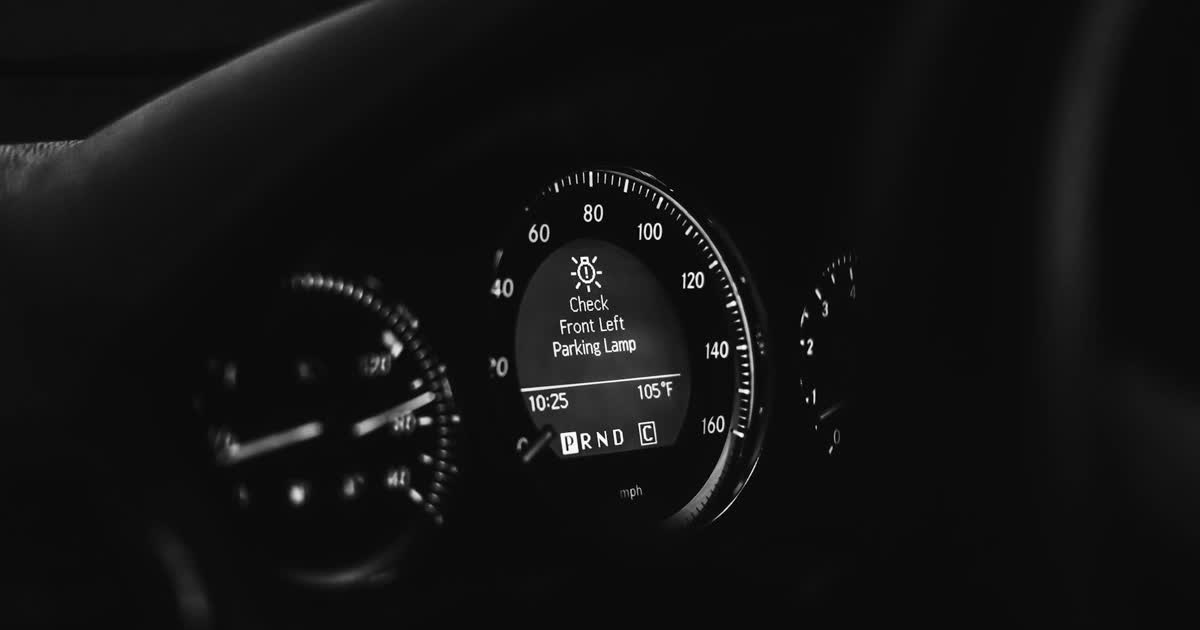
A check engine light can mean anything from a loose fuel cap to a serious misfire. The key is knowing whether it is safe to keep driving—and what to check before you book diagnostics.
Solid light: first steps
- Tighten the fuel cap until it clicks; drive a few cycles—a loose cap is a common trigger.
- Note any new symptoms: rough idle, loss of power, unusual smells.
- Read the code with an OBD2 scanner or at a parts store—codes point to the system, not always the exact part.
Common OBD triggers
- Evaporative emissions (fuel cap, purge valve, leak in hose).
- Oxygen sensor or catalytic converter efficiency codes.
- Mass airflow or ignition misfire codes—often tied to filters or spark plugs.
Why responding calmly matters
The check engine light is a general warning, not a specific diagnosis. Panic can lead to ignoring a flashing light; ignoring a solid light for months can waste fuel and damage emissions components. A short, repeatable checklist helps you decide whether to keep driving to a safe place or stop immediately.
- Flashing usually means active misfire—reduce load and diagnose soon.
- Solid light with no change in performance may still be emissions-related—read codes when convenient.
- Saving code snapshots helps shops and future you compare recurring faults.
Step-by-step: first 30 minutes after the light appears
- Note solid vs flashing and any new noises, smells, or power loss.
- If flashing, avoid hard acceleration and seek diagnostics within the same day when possible.
- Tighten fuel cap, drive 2–3 cycles, rescans if light was evap-related.
- Read codes with OBD2; record code, freeze frame if available, and clear only after repair.
When to seek professional help
Book diagnostics if the light flashes, performance drops suddenly, you smell fuel or exhaust strongly, or codes return immediately after clearing. Shops with make-specific scan tools can access manufacturer codes beyond basic OBD2.
FAQ
Freeze-frame data captured at the moment of the fault often shows engine temperature and load—useful when a code is intermittent. If you clear codes yourself, write down the numbers first; clearing without recording wastes diagnostic time at the shop. Pair OBD reading with a visual under-hood check: disconnected vacuum lines and cracked intake boots cause codes that look like sensor failures. After repair, drive two complete warm-up cycles before assuming the fix failed if the light returns briefly then goes out.
Pending codes may appear in a scanner before the lamp illuminates—capture them early. Readiness monitors must complete after battery disconnect or code clear before emissions tests in regulated areas. A loose fuel cap, oil cap, or cracked evap hose can trigger codes that look like sensor failures—check seals before buying parts. Note fuel brand, weather, and load when codes are intermittent; patterns shorten shop time. Freeze-frame data stores engine temperature and load at fault time—photograph the screen before clearing codes. After repair, complete two warm-up drive cycles before assuming failure if the lamp blinks once then stops. Flashing lamps while accelerating hard indicate active misfire—reduce load and diagnose promptly to protect the catalytic converter. Keep a simple log linking codes to fixes for resale and warranty conversations.
Carry a small OBD reader on road trips; reading codes at a rest stop beats guessing after a long tow. If codes return after repair, ask whether monitors were cleared and whether pending codes were addressed, not only the primary stored code.
If emissions testing is due, confirm readiness monitors are complete after repairs—otherwise you may fail testing even when the lamp is off.
Building a useful diagnostic history
When the malfunction indicator lamp appears, capture context before codes are cleared. Note fuel grade, recent fuel fill, weather, and whether the symptom is steady or intermittent. A phone photo of the cluster with the lamp on, plus odometer reading, helps shops reproduce issues. After repair, keep the invoice with parts replaced and whether monitors were reset—buyers and inspectors ask for readiness completion on emissions-related work.
- Loose fuel caps are common—tighten until click, then drive two ignition cycles before assuming major failure.
- Misfire codes with rough idle may need coils or plugs—log which cylinder the scan tool reports.
- Do not ignore flashing MIL while driving—reduce load and seek service immediately.