Winter Vehicle Maintenance: Cold-Weather Prep Tips
Author
Winter Maintenance Expert
Winter weather can be tough on your vehicle. Proper preparation and maintenance can help ensure your vehicle performs reliably throughout the cold season.
Essential Winter Preparations
Preparing your vehicle for winter is crucial for safe driving and preventing costly repairs. Here are the essential steps to take:
Winter Tires vs. All-Season Tires
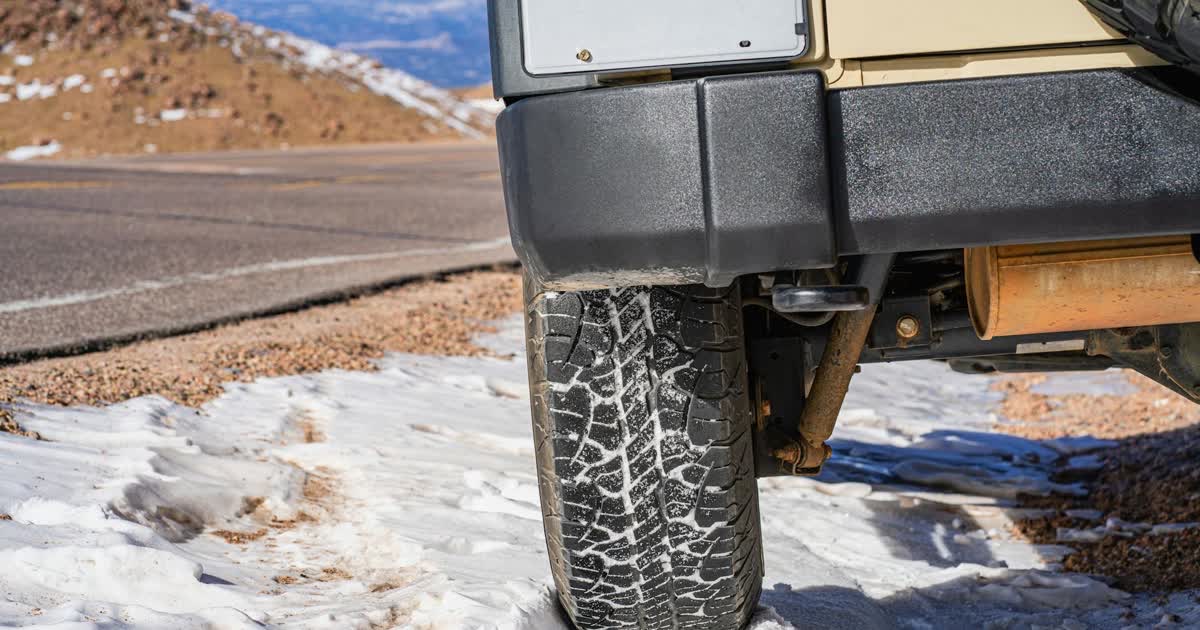
One of the most important winter preparations is ensuring you have the right tires for cold weather conditions:
| Feature | Winter Tires | All-Season Tires |
|---|---|---|
| Temperature Performance | ✓ Optimized below 45°F | ⚠ Compromise in cold |
| Snow Traction | ✓ Excellent grip | ✗ Limited performance |
| Ice Handling | ✓ Superior control | ✗ Poor traction |
| Braking Distance | ✓ Shorter in cold | ⚠ Longer in cold |
Battery and Electrical System Care
Cold weather puts extra strain on your vehicle's electrical system. Here's how to keep it running smoothly:
Battery Maintenance
- Test battery voltage (12.6V when off)
- Clean terminals and connections
- Check for corrosion buildup
- Consider battery warmer in extreme cold
Electrical System Tips
- Check alternator belt tension
- Test starter motor operation
- Inspect wiring for damage
- Ensure all lights work properly
Fluids and Cooling System
Winter demands special attention to your vehicle's fluids. Here's what you need to know:
Antifreeze Protection Levels
Your coolant mixture should protect against freezing at temperatures well below your area's typical winter low. Here are the recommended ratios:
- 50/50 mix: Protection to -34°F (-37°C)
- 60/40 mix: Protection to -62°F (-52°C)
Heating and Defrosting Systems
Your comfort and safety depend on properly functioning heating and defrosting systems. Here's how to maintain them:
Heating System Checklist
Interior Components
- 1. Test heater core function
- 2. Check blower motor operation
- 3. Replace cabin air filter
- 4. Test temperature controls
Defrosting System
- 1. Check windshield defroster
- 2. Test rear window defroster
- 3. Inspect defroster vents
- 4. Clean interior glass surfaces
Winter Emergency Kit Essentials
Being prepared for winter emergencies can be the difference between inconvenience and danger. Here's what to keep in your vehicle:
Safety Items
- First aid kit
- Emergency flares
- Reflective triangles
- Emergency whistle
Tools & Equipment
- Jumper cables
- Tire pressure gauge
- Basic tool kit
- Tow strap
Warmth & Comfort
- Warm blankets
- Extra warm clothing
- Hand/foot warmers
- Sleeping bag
Food & Water
- Bottled water
- Non-perishable snacks
- Energy bars
- Thermos for hot drinks
Common Winter Driving Mistakes to Avoid
Even with proper preparation, winter driving requires adjusted techniques and awareness. Avoid these common mistakes:
Driving Too Fast
Speed limits are for ideal conditions. Reduce speed significantly in snow and ice—often 25–50% can be a practical starting point, but adjust to visibility and grip.
Insufficient Warm-Up
Modern vehicles usually don’t need long idling. Give the engine a brief moment to stabilize, then drive gently so fluids warm up under light load.
Low Fuel Levels
In very cold weather or on long winter trips, keeping the tank at least half full can help: it gives you reserve for delays and can reduce condensation issues.
When to seek professional help
Visit a tire shop for TPMS faults after seasonal change, vibration at highway speed, or if tread wear is uneven despite rotation—alignment or suspension may be the root cause, not the tires alone.
FAQ
Store off-season tires in cool, dry space away from ozone sources like electric motors. Mark wheel position before swap so rotation pattern stays traceable. If using steel wheels for winter, confirm hub-centric rings if your vehicle needs them for balance. Check block heater and battery maintainer before the first cold snap—not the morning of a storm.
Store off-season tires cool, dry, away from ozone sources. Mark wheel position before swap for traceable rotation. Steel winter wheels may need hub-centric rings for balance on some models. Check block heater and battery maintainer before first cold snap, not during storms. Studded tires are region-restricted—verify law. Tire socks are emergency aids, not long-trip substitutes.
Sources
- Michelin: what winter tires are (and why the ~7°C / 45°F threshold matters)
- Motorcraft (Ford): ethylene glycol coolant freeze protection chart (50/50 and 60/40)
- Battery University: lead-acid basics (typical resting voltage ranges and charging)
Conclusion
Winter vehicle maintenance is about more than just comfort—it's about safety and preventing costly breakdowns. By following these comprehensive tips and staying proactive with your maintenance schedule, you'll be ready for whatever winter throws your way. Remember, preparation is key, and the small steps you take now can save you from major headaches later.