Brake Fluid Change Guide: What, When, and Why It Matters

Author
Carendar Team
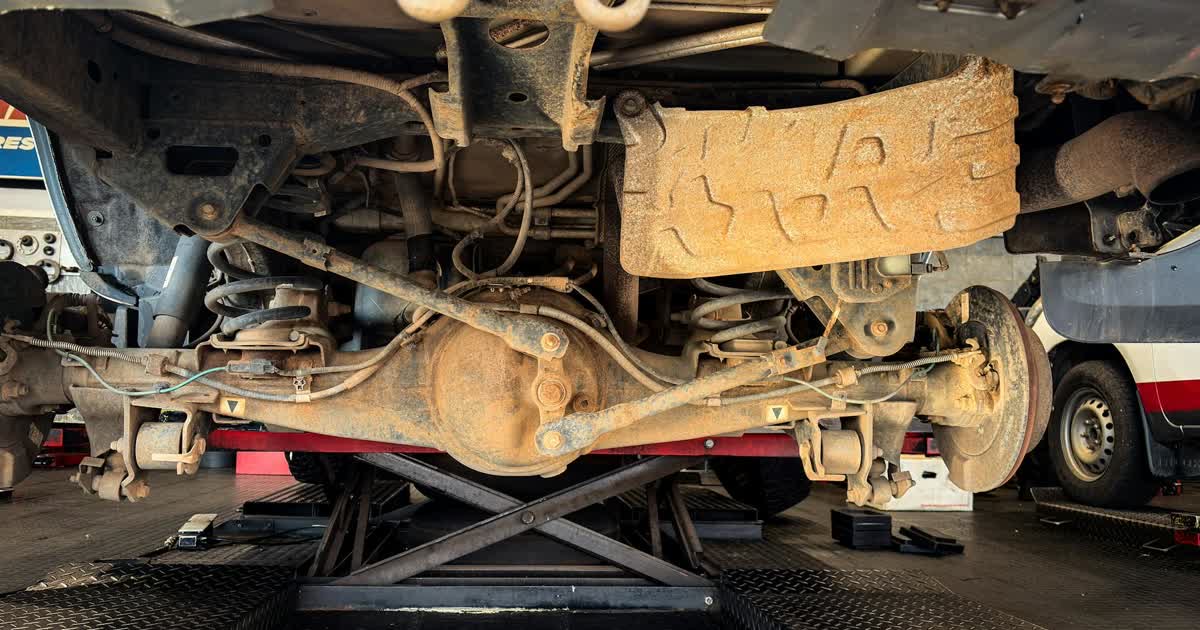
Brake fluid change intervals are easy to ignore because nothing “breaks” immediately. But brake fluid absorbs moisture over time, and that can reduce performance and increase corrosion risk. This guide shows a practical, manual-first way to manage it.
Why brake fluid needs changing
- Most DOT 3/DOT 4/DOT 5.1 fluids are hygroscopic (they absorb moisture).
- Moisture lowers boiling point and can increase corrosion inside the system.
DOT types (simple overview)
| Type | Common use | Notes |
|---|---|---|
| DOT 3 | Many vehicles | Glycol-based; hygroscopic. |
| DOT 4 | Many modern vehicles | Higher boiling points than DOT 3 (varies). |
| DOT 5 (silicone) | Special cases | Not compatible with many systems; do not mix unless your manual says so. |
A practical interval to follow
Start with your owner’s manual. If it doesn’t specify, many shops use a 2-year interval as a conservative baseline—then adjust for your climate and driving.
Sources
- Bosch: brake fluids brochure (hygroscopic behavior + safety context)
- U.S. DOT: FMVSS 116 brake fluid standard (DOT categories)
- ATE: brake fluid product guidance (service-life context varies by product)
Step-by-step: brake fluid service overview
Professional brake fluid service uses a pressure bleeder or two-person pedal bleed to replace fluid at each wheel in the correct sequence. DIY owners can perform a pedal bleed with clear tubing and a catch bottle, but must keep the reservoir from running dry—introducing air extends the job and can soften the pedal until properly bled.
- Confirm DOT type from cap label and manual—do not downgrade.
- Test old fluid with a strip tester if available—moisture above spec means change.
- Bleed wheels starting at the farthest corner from the master cylinder (often RR, LR, FR, FL on LHD).
- Log date, mileage, DOT type, and whether pads were inspected at the same visit.
When to seek professional help
Use a workshop if the pedal stays soft after bleeding, you see leaks at calipers or lines, ABS modulator bleeding is required, or you are not confident containing fluid spills. Any brake work on vehicles with advanced driver-assistance braking should follow manufacturer bleed procedures.
FAQ
Track pedal feel after any brake work: a firm pedal that does not sink at a stoplight usually means air is absent. If you drive in salty climates, flush on time even when mileage is low—moisture ingress is calendar-driven. When replacing pads at the same visit, bed them in gently for the first fifty stops to avoid glaze. Store the brake fluid spec on your invoice photo so the next owner or shop does not guess DOT type from color alone.
Moisture ingress lowers boiling point over years even when mileage is low—calendar intervals matter in humid climates. ABS-equipped vehicles may need scan-tool bleed routines; DIY pedal bleeding can leave air trapped in ABS modulators. Photograph pedal height against the steering wheel before and after service for reference. Corroded caliper slide pins can mimic warped-rotor vibration—service pins when pads are due. Dark fluid right after a fresh flush may indicate seal contamination upstream—stop driving until inspected. Never reuse open brake fluid containers long term. Pair fluid service with pad inspection even when pads look thick—age hardens friction material. Store DOT specification on invoice photos so future owners do not guess by color. If pedal feels soft after bleeding, repeat procedure or seek a shop before highway driving.
If you track events in an app, log DOT type, bleed method, and whether pads were replaced at the same time—buyers and shops both trust dated records more than memory.
Pair every fluid change note with brake pad thickness in millimeters—shops and buyers read combined brake health more clearly than fluid age alone.
Integrating brake fluid with pad and rotor care
Brake fluid absorbs moisture over time, lowering boiling point and increasing pedal fade risk under hard braking. Pair every fluid service note with pad thickness in millimeters and rotor condition—together they tell a clearer story than fluid age alone. If the pedal feels spongy after fluid work, bleeding sequence or ABS activation may be incomplete; return to the shop while the system is fresh. Track whether your vehicle uses DOT 3, DOT 4, or low-viscosity DOT 4+ specs—never upgrade chemistry without manufacturer approval.
- Change fluid on a schedule even if the pedal still feels firm—moisture is invisible.
- Use a lint-free cloth when opening the reservoir to avoid contaminating the master cylinder.
- After track days or mountain descents, inspect fluid color sooner than the calendar interval.